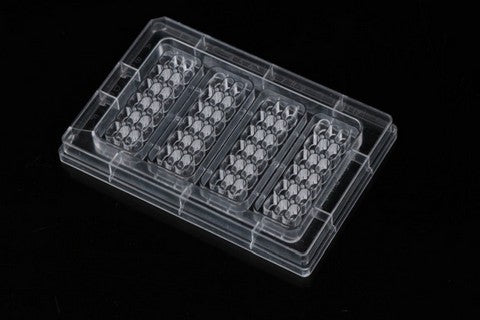
Microfluidics lab-on-chip form on demand
Lab-on-Chip with Polymer
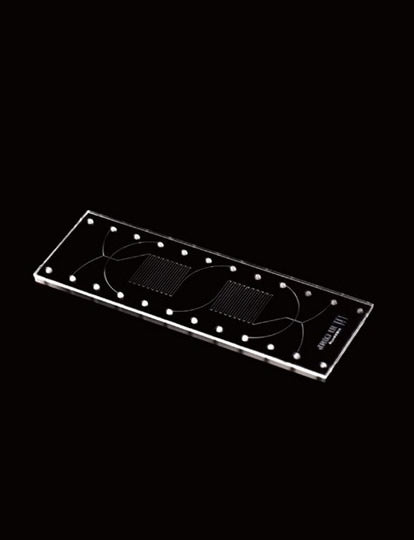
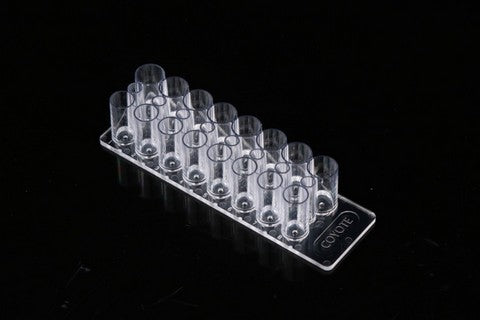
A wide variety of polymer materials, with the advantages of convenient processing and molding, low raw material cost, very suitable for mass production, currently the most widely used, COC and COP have good optical and chemical properties, but the price is high; PDMS materials can be molded with silicon or SU8, which can be easily and quickly formed. The main difficulties of polymer chip processing are micron high precision forming, surface modification, low temperature bonding, heterogeneous integration and quality control.
Most used polymers: PDMS, COC, PC, PET, PS, COP, PEEK
Lab-on-Chip with Silicon
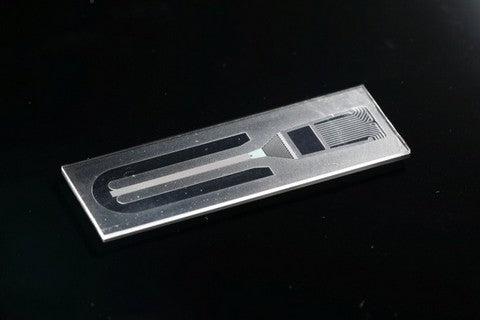
Silicon material has good chemical inertness and thermal stability, and complex two-dimensional or three-dimensional microstructures can be reproduced with high precision by photolithography or etching methods. However, its fragility, light tightness, poor electrical insulation and high price limit its wider application.
Lab-on-Chip with Glass
The glass chip has many advantages, such as good light transmittance and electropermeability, low fluorescence background, high mechanical strength, small thermal deformation of microchannel and easy modification of channel surface. But at present, the fabrication cost of glass microfluidic chip is high, the cycle is long, and the machining accuracy and bonding sealing also need to be improved.
Fused quartz, borosilicate, glass ceramics, photosensitive glass heat